The Evolution and Impact of Men's Tie-Dye Jeans
Intro
In recent times, men’s tie-dye jeans have emerged as a prominent fashion statement, carving a niche within the intricate tapestry of streetwear culture. This resurgence has roots that run deep into various subcultures, making their way from the vibrant realms of the 1960s and 1970s into today’s fashion landscape. The kaleidoscopic patterns and bold hues reflect a spirit of individuality and defy convention, appealing to a diverse audience of skateboarders, fashion aficionados, and everyday folk alike.
Exploring the evolution of these garments reveals how they’ve transcended mere clothing items to symbolize freedom of expression and artistic experimentation. Fashion brands have jumped on this lively train, each adding their own flair to the basic premise of tie-dye. Alongside this growth, we also witness changing consumer perceptions, particularly about sustainability within denim production.
This article will delve into the driving forces behind the popularity of men’s tie-dye jeans, examining essential techniques, design trends, and the overall impact these garments have on the current market. We intend to unfold this narrative through detailed insights while thoughtfully engaging with our readers. By the end, you’ll grasp both the artistic significance and practical aspects of styling and wearing tie-dye jeans, a fashion choice that today embodies a blend of rebellion and innovation.
Understanding Tie-Dye: A Historical Perspective
Tie-dye isn’t just a fashion statement or a quirky trend; it has rich historical roots that add layers of meaning to what we see today. Understanding tie-dye's genesis helps to appreciate its commercial resurgence in men's fashion—particularly in jeans, where the combination of color and fabric creates an expressive canvas. This historical perspective is critical for grasping how cultural significance evolves, influencing modern interpretations and the consumer behaviors surrounding these garments.
The Origins of Tie-Dye
Initially, tie-dye traced its roots back thousands of years. The practice is found in various cultures globally, like the ancient Japanese shibori technique and the vibrant textiles of the West African Yoruba people. These early styles involved intricate tie-and-dye methods distinct to each culture, often symbolizing spirituality, social status, or community identity. For instance, in India, tie-dyeing is known as Bandhani, and it has been a significant part of traditional attire for centuries, often enriched with stories.
In the United States, tie-dye found its groove in the counterculture movement of the 1960s. The likes of the Grateful Dead and hippies embraced these colorful patterns, using them as expressions of peace, love, and rebellion. This act of styling oneself was, in essence, a way to stand against conventional norms. The fashion spread like wildfire, embedding itself not only in personal style but also in the arts and music of each era.
Cultural Significance in Various Eras
Exploring the cultural relevance of tie-dye sheds light on the values and societal attitudes of different periods.
- 1960s–70s: As mentioned, this era was all about anti-establishment sentiments and finding one's identity through personal expression. Tie-dye became synonymous with freedom, unity, and a cooperative spirit. Wearing it indicated a shared ethos among members of the peace-loving community.
- 1980s: The punk and grunge movements gave tie-dye a new twist. It spoke to a generation that cherished authenticity. Jeans, accepted as everyday wear, transformed when embellished with wild colors and patterns. This casual, yet rebellious style was a statement.
- 1990s and Early 2000s: The trend ebbed, but tie-dye didn't vanish. It took on a nostalgic appeal, perceived almost as a sartorial relic, often associated with children’s clothing. People began to associate it more with arts and crafts rather than high fashion, distancing itself from adult attire.
Today, tie-dye finds itself once again getting a breathing space, emerging from both nostalgia and modern reinterpretations. The contemporary designs of men's tie-dye jeans mix historical techniques with state-of-the-art production processes, recontextualizing what the rainbow of colors and chaotic patterns signify today. That layered history remains a testament to tie-dye's resilience, embodying various cultural narratives while continuing to find fresh expressions in the modern landscape.
"The role of fashion is to trap history, to catch its different moments so that the reminiscence is alive."
In understanding tie-dye's historical significance, one can appreciate how this vibrant fabric has not only survived but thrived in the contemporary marketplace, appealing to diverse demographics eager to express their identities across a broad spectrum of styles.
The Resurgence of Tie-Dye in Modern Fashion
The revival of tie-dye in contemporary wardrobes presents a fascinating blend of nostalgia and innovation. It's more than just a fleeting trend; it represents a cultural comeback that intersects with broader societal movements. Throughout history, tie-dye has morphed from a traditional art form to a symbol of individuality and self-expression. In today's fashion landscape, its resurgence speaks volumes about the changing perspectives on style, allowing individuals to embrace vibrant colors and patterns that tell a story.
Influence of Streetwear
Streetwear often serves as a catalyst for reimagining fashion, and tie-dye is no exception. The colorful patterns found on tie-dye jeans resonate well within the streetwear community, which prides itself on bold statements and exclusivity. Brands like Supreme and Off-White have incorporated tie-dye designs into their seasonal collections, further cementing its status as a must-have in urban fashion.
For many, sporting tie-dye jeans aligns with a lifestyle that values authenticity and comfort. These jeans, splashed with swirling colors, nod to the rebellion often found in street art, giving wearers a canvas to express their personalities. Plus, they offer versatility—perfect for skate parks and casual outings alike.
Additionally, the influence of subcultures has amplified tie-dye's appeal. Skateboarders, with their laid-back approach, have adopted tie-dye as part of a uniform that reflects their carefree spirits. The youth, eager to make a statement, gravitate toward clothing that sets them apart, and tie-dye certainly fits that bill.
Celebrity Endorsements and Popularity
Celebrity endorsements have historically impacted fashion trends, and tie-dye is riding that wave right now. When icons like Justin Bieber and Billie Eilish were spotted flaunting tie-dye designs, it sparked increased interest among fans and fashion enthusiasts alike. These endorsements lend an air of credibility that fuels the desire to own a piece of the trend.
Moreover, social media plays a crucial role in amplifying this popularity. Platforms like Instagram and TikTok showcase influencers creatively styling their tie-dye jeans, contributing to a collective aspiration among followers. The power of visual marketing extends beyond traditional advertising, allowing the tie-dye phenomenon to flourish organically.
As consumers become more aware of their clothing choices, the tie-dye trend aligns with the growing demand for unique and artistic pieces. It allows individuals to stand out in a market often cluttered with fast fashion.
"Tie-dye jeans are not just pieces of clothing; they are expressions of creativity and individuality in a world of mass production."
In summation, the resurgence of tie-dye in modern fashion is pivotal. Rooted in street culture and elevated by celebrity endorsements, it showcases how clothing can evolve while maintaining its core of self-expression. The pattern continues to attract a diverse range of wearers, from skateboarders to fashion aficionados, illustrating its timeless appeal.
Design Trends in Men's Tie-Dye Jeans
The realm of men's tie-dye jeans has undergone significant transformations, reflecting broader societal changes and fashion trends. Understanding design trends is essential, as they not only showcase the creativity of designers but also reveal shifting consumer preferences. In a market saturated with offerings, design stands out as a key differentiator. Men today seek jeans that resonate with their personality and lifestyle, making this aspect paramount. With streetwear being influential in setting these trends, tie-dye jeans are evolving beyond their retro roots to become statements of individuality and style.
Color Palettes and Patterns
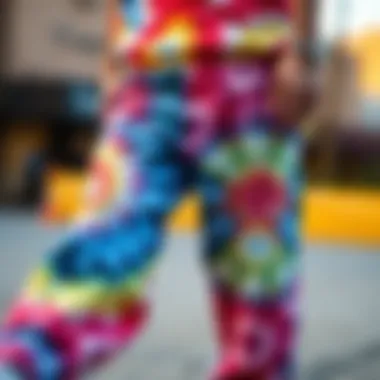
When it comes to color palettes and patterns, the options for tie-dye jeans seem almost infinite. From vibrant hues to muted tones, designers are now opting for a spectrum that caters to diverse tastes. Bright yellows, deep blues, and rich greens can be blended in a single pair, creating a visually engaging experience.
Patterns play a crucial role, as they not only enhance aesthetic appeal but also affect how individuals express themselves. Variations include classic spirals, more abstract designs, and even geometric shapes, allowing wearers to choose styles that reflect their uniqueness. Among the innovative trends, two-tone or even multi-tone jeans are gaining up traction. Here, the focus is on a stark contrast between colors that draw attention and encourage conversations.
"The color and pattern you choose can express a multitude of emotions without saying a word."
It's worth mentioning that the tie-dye patterns don’t just serve an aesthetic purpose; they can also disguise any wear and tear that might occur over time. This functional aspect is attractive, especially for skateboarders, who are often engaged in activities that put their clothing to the test.
Customization and Personalization
The growing emphasis on customization and personalization has transformed how men view their clothing choices. Today's consumers desire garments that reflect their style rather than simply conforming to off-the-rack standards. Tie-dye jeans lend themselves perfectly to this trend, as they are often produced in small batches with varied designs.
Retailers now frequently provide options for customers to select their colors or patterns, making each pair unique to the buyer. This approach adds not just to the wearer's wardrobe but also to their sense of identity.
Offering something different, some brands have begun collaborating with artists, enabling exclusive designs that blend art with fashion. Many consumers are drawn to the concept of art fashion, wanting to wear something that feels personal.
Customization takes a step even further; DIY (do-it-yourself) options are being embraced by hobbyists who have turned tie-dyeing into a creative pastime. Parents and skateboarders can get their kids involved, making it not just a fashion statement but also a family bonding experience.
Manufacturing Processes of Tie-Dye Jeans
The crafting of men's tie-dye jeans is far more than just splashing some color on fabric. It represents a blend of creativity and craftsmanship that has evolved over time, reflecting both the values of the artisans and the preferences of the consumers. Understanding the manufacturing processes provides a glimpse into the heart of the fashion industry and how it interacts with cultural trends and sustainability concerns.
Traditional Techniques vs. Modern Methods
To appreciate the true artistry behind tie-dye jeans, one must first recognize the traditional techniques that have been passed down through generations. Shibori and ikat, for instance, are ancient dyeing methods originating from Japan and Indonesia, respectively. Each of these techniques involves a careful tie-binding process that enables specific areas of fabric to resist dye, creating intricate designs. They require profound skill and can take hours, if not days, to complete.
On the other hand, modern methods leverage technology and innovation. Digital printing has turned the table, enabling manufacturers to print complex patterns directly onto denim fabric. This method is significantly faster and can reduce costs but often lacks the soul and connection to craft found in traditional techniques. Many brands are now adopting a fusion of these old and new methods. For instance, they might use digital printing for a base design and then apply hand-dyeing techniques for unique finishing touches.
The benefits of each approach come into play here:
- Traditional Techniques: Rich history, unique crafts, each item tells a story.
- Modern Methods: Faster production, scalability, consistency in output.
Both methods hold a place in the market, and the choice between them often hinges on consumer preferences and brand identity.
Sustainability in Production
In today’s fashion landscape, raising awareness about sustainability is not just a trend; it's a necessity. The production process of tie-dye jeans has a significant environmental impact, and brands are being vigorously pushed to adopt more sustainable practices. Traditional dyeing processes, while beautiful, often use harmful chemicals and large amounts of water.
Now, manufacturers are making strides towards more eco-friendly operations. Some companies, like Levi's, have begun using water-efficient dyeing technologies, reducing their water usage by up to 90% in some cases. Moreover, natural dyes from plants and minerals are making a comeback, offering a more sustainable alternative to synthetic dyes. This move not only lessens environmental harm but also taps into a growing market of consumers who are increasingly conscientious about their purchasing decisions.
Additionally, sustainable practices involve responsible sourcing of materials. Using organic cotton or recycled denim is gaining traction, aligning with the broader movement towards circular fashion, where items are designed for longevity and recyclability. It’s prudent for consumers to look for certifications like GOTS (Global Organic Textile Standard) to ensure they are making environmentally aware choices.
Market Dynamics and Consumer Behavior
Understanding the market dynamics and consumer behavior surrounding men's tie-dye jeans is of immense importance in comprehending the broader trends influencing today's fashion landscape. This inquiry delves into how these vibrant garments resonate with varied demographics and what factors drive their purchase behaviors. As we explore this topic, elements like consumer preferences, pricing strategies, and the interplay between fashion and socio-economic factors take center stage.
Target Demographics for Tie-Dye Jeans
To fully grasp the allure of tie-dye jeans, one must look closely at the target demographics engaging with this fashion statement. Primarily, the audience spans a diverse range that includes:
- Skateboarders and Young Adults: They have historically embraced tie-dye styles as a form of self-expression. The vibrant colors align with their pursuit of individuality, creating a culture that celebrates uniqueness.
- Hobbyists and Niche Communities: We see a growing trend among art enthusiasts and DIY aficionados who enjoy customizing their styles with tie-dye techniques. For them, it is less about the jeans and more about the creative process involved.
- Parents Shopping for Kids: With children becoming more fashion-conscious, parents are increasingly drawn towards tie-dye jeans to meet their kids’ trendy demands. Kids love the playful colors, making these jeans a popular choice in family shopping.
- Retailers and Fashion Brands: On the business side, retailers target these demographics with tailored marketing campaigns that emphasize sustainability and craftsmanship, appealing to a socially-conscious audience.
This multi-faceted interplay between brands and consumers shapes not only purchasing decisions but also brand loyalty and repeated engagement.
Price Point Analysis
Analyzing the price point of men's tie-dye jeans reveals intricate nuances of consumer behavior. The landscape is quite varied, owing to factors such as brand positioning, material quality, and the additional costs associated with sustainable production methods. Here are some key points to consider:
- Affordability and Accessibility: On one end, budget-friendly brands, such as H&M and Old Navy, offer tie-dye jeans at a lower price range, appealing to younger audiences and families searching for cost-effective options. These brands allow mass accessibility to the trend without breaking the bank.
- Mid-Range Offerings: Many brands have carved out a niche in the mid-range segment, with companies like Levi's and Urban Outfitters providing styles that balance quality and affordability. This demographic might be willing to invest slightly more for unique designs and better durability.
- High-End Luxury Fashion: At the premium end of the spectrum, high-fashion labels often sell tie-dye jeans at exorbitant prices. Here, the consumer psychology shifts towards exclusivity and perceived value rather than mere functionality. Buyers are often looking for brand prestige or rare pieces, leading them to splurge.
"The price of tie-dye jeans is often not just about the fabric, but the story behind them, which consumers are increasingly willing to pay for."
Consumer behavior is also influenced by factors like seasonality, trends in streetwear, and the impulse generated by peer pressure on social platforms. As fashion is in constant flux, understanding these dynamics gives brands a leg up in formulation marketing strategies that resonate with their specified audience.
Styling Men's Tie-Dye Jeans
Styling men's tie-dye jeans transcends mere fashion choices; it embodies a celebration of individuality and cultural expression. What once was a trend mainly embraced by counterculture and artsy subgroups has become a staple in the closets of many, appealing to skateboarders, parents, and urban dwellers alike. This section dissects the essence of how tie-dye jeans can be styled effectively, placing an emphasis on versatility, comfort, and personal identity.
The beauty of tie-dye jeans lies in their capacity to make a statement without uttering a single word. When it comes to styling these vibrant pieces, there are key elements to consider:
- Color Coordination: The hues in tie-dye jeans lend themselves to various color palettes, making them a canvas for creative pairings.
- Fit and Cut Choices: Tailoring can change the way one feels about their outfit. Skinny, relaxed, or wide-legged options offer distinct vibes.
- Layering Options: Utilizing layering can enhance comfort and fashion sense, particularly in transitional seasons.
Ultimately, the aim is to strike a balance between comfort and aesthetics, allowing one’s personality to shine through.
Casual Outfits
Casual outfits featuring tie-dye jeans are a blend of laid-back styles and unique flair. They exude comfort while allowing wearers to express their individuality. Picture this: It’s a sunny Saturday, and you’re meeting friends at a local skate park. A pair of blue and white tie-dye jeans paired with a classic white T-shirt instantly creates a relaxed vibe. If you want to jazz it up, throw on a denim jacket, slightly oversized for that trendy nonchalance.
The key here is to opt for breathable fabrics. Cotton or linen blends keep the comfort factor high. Footwear choices can range from classic white sneakers to vibrant high-tops, depending on what makes you comfortable and confident. Additionally, adding accessories like a simple cap or some understated bracelets can complete your look without overwhelming it.
"In fashion, your style should be as dynamic as your life; tie-dye jeans can effortlessly adapt to where you're going and who you're with."
Elevated Looks for Events
In contrast, styling tie-dye jeans for elevated occasions might seem tricky, but it isn't impossible. These versatile pieces can transition from casual settings to smart-casual events with a bit of creativity. For a dinner date or an art gallery opening, consider selecting darker, more subdued tie-dye patterns that offer a classy twist. Pair them with a sleek black or navy blazer and a fitted shirt.
Footwear plays a crucial role in lifting the overall ensemble. Chelsea boots or clean loafers can elevate the casual feel of the jeans while maintaining a polished appearance. Accessories can include a minimalist wristwatch or even a subtle pocket square tucked into the blazer for flair.
Furthermore, maintain a sense of balance between the trousers and the rest of your outfit. If your jeans are vibrant and eye-catching, consider toning down the colors used in your top half to ensure that the look harmonizes rather than clashes.
Some related resources to delve deeper into fashion: Wikipedia on Tie-Dye, Britannica on Fashion Trends, Fashion communities on Reddit.
The Role of Social Media in Popularizing Tie-Dye Fashion
In the realm of modern fashion, social media serves as a powerful catalyst for trend propagation. The rise of men’s tie-dye jeans is no exception to this phenomenon. As brands and individuals alike harnessed the visual prowess of platforms like Instagram and TikTok, this vibrant clothing style moved from niche subcultures into the mainstream fashion lexicon. Understanding how social media shapes fashion is essential, especially for those involved with skateboarding, clothing aficionados, and retailers eager to tap into the current zeitgeist.
Social media platforms not only amplify the visibility of trends but also foster community engagement. The interactivity afforded by these platforms allows users to share their interpretations of styles, thus embracing the individualized aesthetic of tie-dye. For skateboarders, who often prioritize self-expression in their choice of clothing, this is particularly vital. Each unique tie-dye pattern can represent personal stories or affiliations.
Instagram and Visual Marketing
Instagram, a visual-centric platform, has become the go-to stage for showcasing tie-dye fashion. Its format thrives on eye-catching imagery, making it the perfect medium for displaying the vibrant colors and dynamic patterns characteristic of tie-dye jeans. Brands have caught onto this, collaborating with artists and creators who can capture the essence of their garments.
To give you a clearer picture:
- Branded Hashtags: Many brands employ specific hashtags, creating a community around their products. For example, under hashtags like #TieDyeJeans or #TrendAlert, enthusiasts share their styles, further popularizing the look.
- Influencer Collaborations: Influencers, often seen as style gurus, play a significant role in tying merchandise to consumer desires. Their follows and likes can drive immense traffic toward brands when they sport tie-dye jeans in a post.
- Visual Storytelling: Beyond mere product placement, influencers and brands use narratives. They might share the story behind the design of the jeans, the process of making them, or how they fit into a day's worth of skateboarding adventures.
The impact of this visual marketing approach is profound. With each share and like, tie-dye jeans capture more attention, transitioning them from a mere trend to a staple in contemporary male wardrobes.
Influencers and Brand Partnerships
Influencers have reshaped the fashion landscape by creating authentic dialogues around clothing choices. In regards to tie-dye jeans, their endorsement often leads to increased curiosity and consumer interest. The personal connection they cultivate with their followers makes their informal fashion tips and garment showcases not only engaging but also influential.
Consider the following aspects that highlight their role:
- Authenticity: Unlike traditional marketing, influencer partnerships typically come across as genuine. When a skateboarder with a dedicated following shares their tie-dye look, it strikes a chord. Their authenticity serves as a vote of confidence for the jeans, driving purchases.
- Targeted Marketing: By partnering with influencers who resonate with specific demographics, brands can tailor their message. For example, a brand focusing on eco-friendly tie-dye techniques might partner with sustainability advocates to highlight their commitment to green practices.
- Event Promotion: Many influencers leverage social media to promote events or product launches. Tie-dye launches heavily promoted by the right influencer can create a buzz that draws eager fans, making it not just a shopping experience but a community-building event.
As the world of men's fashion continues to evolve, social media's role in the popularity of tie-dye jeans is poised to grow. The confluence of creativity, authenticity, and community interaction reshapes not just how these jeans are worn, but how they are perceived—and that may very well secure their place in men’s wardrobes moving forward.
"Fashion is not just what you wear; it’s how you express yourself and connect with others."
By leveraging these platforms effectively, both brands and consumers partake in a dynamic loop of influence, solidifying the place of tie-dye jeans within the fashion fabric of our times.
Challenges in the Men's Tie-Dye Jeans Market
As the appeal of men’s tie-dye jeans continues to rise, it is imperative to examine the various challenges that accompany this trend. These challenges not only affect the popularity and reach of tie-dye jeans but also play a crucial role in shaping consumer perceptions and the overall market dynamics. Understanding these challenges is essential for brands, retailers, and consumers alike, as it helps inform better purchasing decisions and corporate strategies.
Quality vs. Fast-Fashion Concerns
In an era where fast fashion reigns supreme, the quality of men's tie-dye jeans often becomes a hot-button issue. Fast fashion brands, like Zara and H&M, tend to prioritize speed and cost over craftsmanship, leading to a proliferation of low-quality products in the tie-dye category. Consumers frequently find themselves torn between the allure of trendy designs and the reality of flimsy fabric and poor stitching.
- Poor quality tie-dye jeans can wear out quickly, leading to dissatisfaction and returns.
- On the flip side, premium brands that focus on quality, such as Levi's or Nudie Jeans, may command a higher price point, making their products less accessible to some demographics.
- The perception of value becomes blurred when consumers weigh the excitement of fashion innovation against the longevity of their purchases.
This dilemma results in a broader conversation about sustainability. Many consumers are increasingly aware of the environmental impact of fast fashion, leading them to seek out brands that prioritize ethical production methods and quality materials. Yet, the price sensitivity of many customers fosters a market where quality is often sacrificed for affordability. As brands navigate this balancing act, those that can effectively communicate their commitment to quality while remaining competitively priced should find themselves emerging stronger in the market.
Market Saturation and Differentiation
The sudden surge in popularity of tie-dye jeans has led to a saturated market, where countless brands offer similar styles and patterns. This saturation presents a unique challenge for both established companies and newcomers trying to make their mark.
- Product Overload: With so many options available, consumers can feel overwhelmed. They may struggle to choose between offerings from various brands, each claiming to hold the best tie-dye jeans.
- Differentiation Strategies: To stand out in this crowded space, companies must find innovative ways to differentiate themselves. This could involve focusing on distinct patterns, sustainable practices, superior customer service, or unique marketing strategies.
- Limited Innovation: A worry that stems from market saturation is the risk of creative stagnation. As brands chase trends, there's a tendency to mimic rather than innovate, leaving the market feeling stale.
This oversaturated landscape requires brands to be agile, creative, and responsive to consumer needs. An emphasis on customer feedback, alongside the use of data analytics, can inform product offerings, ensuring that they align with market demand. To thrive amidst the noise, successful brands will embrace originality rather than conformity, tapping into emerging trends while also cultivating a loyal customer base.
"In fashion, it’s not about following trends but about influencing them. Stand out or fade away."
As the market evolves, both challenges will shape the future landscape of men's tie-dye jeans, pushing brands to innovate and prioritize quality, helping to separate the wheat from the chaff. For skateboarders, hobbyists, parents, and retailers, a nuanced understanding of these challenges can lead to wiser choices and foster a more conscious consumer culture.
Future Trends in Tie-Dye Fashion
As fashion continues to evolve, tie-dye denim remains a vibrant testament to cultural expression. The future of men's tie-dye jeans is anticipated to be shaped by innovative materials, fresh techniques, and a heightened awareness of cultural sensitivity in fashion. Delving into these future trends is crucial for understanding not just how tie-dye will adapt but also how it will continue to resonate with consumers who value individuality and authenticity in their wardrobe choices.
Innovative Materials and Techniques
The quest for new materials and techniques in the realm of tie-dye jeans is gathering pace, and rightly so. The demand for sustainable and eco-friendly products drives many brands to experiment with organic materials.
Natural Dyes: One path that is gaining traction is the use of natural dyes derived from plants and minerals. This not only lessens the environmental impact but also offers a unique spectrum of colors that synthetic dyes cannot replicate. Using indigo from fermented leaves or turmeric for a sun-kissed gold is on the rise.
Performance Fabrics: In keeping with the lifestyles of skateboarders and active consumers, brands are increasingly integrating performance fabrics into their denim designs. Stretchable and breathable materials provide comfort, while still maintaining the characteristic tie-dye flair. Such advancements help ensure the jeans are fit for real-world scenarios, from the skatepark to casual hangouts.
3D Printing and Technology: Another exciting frontier involves 3D printing techniques that allow for experimental and personalized designs. Imagine wearing jeans that haven’t just been dyed, but sculpted into unique shapes through technology. The marriage of traditional tie-dye artistry with modern tech sets the stage for a bold new chapter in men’s fashion.
"Fashion is about experimenting. We might see tie-dye evolve into something completely unexpected, mixing art with tech."
— Fashion Innovator
Cultural Appropriation and Sensitivity in Fashion
As tie-dye continues to rise in popularity, the conversation around cultural appropriation becomes increasingly important. Fashion enthusiasts, designers, and consumers alike must navigate this tricky landscape with grace and respect.
The origins of tie-dye can be traced back to various ancient cultures, each with its own unique methods and meanings attached to the art. While modern iterations may seek to celebrate this heritage, it is imperative that brands acknowledge the roots of this style without merely exploiting them for profit.
Cultural Sensitivity: As such, cultural sensitivity in fashion cannot be overlooked. Brands must engage with the communities which originated these practices to foster understanding and respect. Collaborations rooted in authenticity—not merely cosmetic—are burgeoning as a way of ensuring that the rich histories behind tie-dye are honored.
Consumer Awareness: On the consumer side, there’s a growing appetite for conscious fashion choices. Savvy shoppers are increasingly discerning, seeking to support brands that practice ethical production and cultural appreciation. The emphasis on transparency will shape purchasing behaviors and guide brands toward more responsible storytelling.
These future trends in tie-dye fashion are more than mere aesthetics; they represent a poignant blend of innovation and responsibility, ensuring that the art of transforming fabric into a canvas of expression endures well into the future.