Unique Names for Skate Shops: A Complete Guide


Intro
Naming your skate shop is much more than slapping some words together. It’s about forging an identity, establishing a presence, and connecting with a community that values authenticity above all. A name doesn't just label your store—it becomes an extension of everything you stand for in the vibrant, kinetic world of skateboarding.
The perfect name strikes a chord, resonates with local skaters, and, ideally, rolls off the tongue with a sort of effortless cool. This article takes a deep dive into the essentials of creative naming for skate shops. We will examine diverse strategies, cultural cues, and branding essentials that can help aspiring shop owners capture the spirit of skate culture in a few catchy words. It's essential to recognize the essence of what you're trying to convey through your brand name—this is your first conversation with customers, and it counts.
Techniques and Tricks
Choosing a name involves more than just creativity; it requires strategic thinking about the audience and market. Here’s how you can start shaping your shop’s identity through effective naming techniques.
Brainstorming Ideas
Kick off the process by jotting down terms that resonate with skate culture. Consider words that describe the thrill of the sport, the community it fosters, or the tools of the trade. Think about the emotions that come with skating and the places where it happens. Here are a few prompts to get the ideas flowing:
- Street names or local spots that have significance to skaters
- Slang or terminology commonly used in the skate community
- Images or symbols associated with skating, like decks, ramps, or tricks
Name Testing
Once you have a shortlist, share these with friends or fellow skaters, ideally those who are part of your target market. Ask for their impressions: Does it evoke the right imagery? Is it catchy? A name might sound great in your head but can have a very different impact when heard aloud. Testing your ideas can save you from potential pitfalls.
Tip: Sometimes adding a local flavor strengthens the name, making it easier for skaters in the area to connect to it.
Cultural Context and Relevance
It's crucial that your shop's name pays homage to skateboarding’s deep cultural roots. Names that reflect the history, values, and ethos of skating can resonate strongly with your audience. Consider integrating references from skate culture or the broader lifestyle aspect, like music, art, or streetwear. Understanding the demographics and psychographics of your potential customers can guide you in the right direction.
Trendy Name Elements
There are several naming conventions popular within the skate world. They often incorporate certain elements that make them stand out:
- Alliteration: Names that have a rhythmic sound. For instance, 'Skate Spot' or 'Deck Design'.
- Puns: Clever and humorous twists on words, like ‘Board Silly’.
- Local Ties: Names that nod to geographical or cultural aspects, such as ‘SoCal Skates’.
Branding Strategy
A well-thought-out name is only the beginning. It needs to align with your branding strategy. Here are a few ideas to ensure that your chosen name works:
- Visual Identity: Consider how the name will look in logos, signage, and merchandise. It should be visually appealing.
- Social Media Presence: Check for the availability of the handle on platforms like Instagram or Facebook. It should be easy to find and not too similar to existing accounts.
- Domain Name: If you're thinking about an online presence, ensure that a matching domain is available for a website.
In summary, coming up with a name for your skate shop is an exhilarating process that merges creativity with strategic thinking. Your shop's name is a reflection not only of what you sell but also of the vibrant community you aim to serve.
Understanding the Importance of a Good Name
When it comes to starting a skate shop, the name you choose can wield tremendous influence over your business's trajectory. A well-crafted name goes beyond just being a label; it serves as the very essence of your brand identity. In a community as vibrant and unique as skateboarding, having a name that resonates can carve a niche for your shop amidst competition, ultimately leading to enhanced visibility and credibility. Thus, understanding the multifaceted importance of a good name is the cornerstone of effective branding in the skate market.
Brand Identity and Recognition
The first step to appealing to skateboarders is establishing a strong brand identity. Your shop's name is often the first point of interaction potential customers have with your business. For instance, if you name your shop "Rogue Wheels," this name evokes a sense of rebellion and individuality, which aligns perfectly with the skate culture of breaking free from convention. This association can create immediate recognition and help you stand out.
A name that creatively reflects the spirit of skate culture can also build trust and loyalty among customers. They tend to gravitate towards brands that seem authentic and relatable. In a way, your shop's name is like a badge that represents your values and mission. With good recognition, your brand becomes synonymous with quality service and genuine passion for skateboarding. In time, a catchy name can even become something of a conversation starter among skateboard enthusiasts.
Connection to the Skate Community
A good name can also forge deeper connections within the local skate community. Skateboarding is not merely a sport; it’s a lifestyle steeped in culture, camaraderie, and shared experiences. For example, a name like "Concrete Dreams" might not only suggest physical skate surfaces but also tap into the dreams and aspirations of skaters seeking freedom and expression through their art. When your shop’s name echoes sentiments felt by the community, it establishes a more profound rapport with customers.
Engaging with the skate community also means you’ll likely find support from fellow skaters, influencers, or even skate crews, who might advocate for your brand. This organic connection can elevate your name beyond just being a commercial entity. Your shop can become a gathering point, a place where stories are shared, advice is passed on, and friendships are fostered.
Impact on Marketing and Sales
Let’s not forget that a great name contributes significantly to your marketing efforts. Marketing a name that rolls off the tongue can make word-of-mouth referrals flow like water. When your shop name is easy to remember and sparks curiosity, it puts you in a favorable position. Good names also lend themselves well to creative marketing endeavors.
For instance, a name like "Skate Haven" could allow you to market your shop not just as a place to purchase gear, but as a sanctuary for skate enthusiasts. This opens avenues for promotional events, community contests, and even social media campaigns that appeal directly to your target audience.
A strong name can increase traffic, boost online searches, and consequently translate into heightened sales figures. In simply putting your best foot forward with a stunning shop name, you lay a solid foundation for future marketing strategies.
"A name serves as a bridge, connecting the essence of your brand to the hearts of your community—essential in the skateboarding universe."
In summary, understanding the importance of a good name extends well beyond aesthetics. It directly relates to your brand identity, community connections, and the way you market your shop. The right name can set you up for success in the competitive landscape of skateboarding retail, echoing within the culture and helping your business soar.
Factors to Consider When Choosing a Name
Naming your skate shop isn't just about picking something that sounds cool. It’s a hefty decision that can shape your brand’s identity and connection to the skate community. The name you choose can echo through the canyons of the skate world for years to come, so it’s important to weigh various factors that will not only resonate with your audience but also uphold the spirit of the culture. Let’s break down some crucial elements to consider.
Target Audience Appeal
Your shop’s name should speak directly to the folks who walk through your doors, whether they’re seasoned pros or first-time skaters. Understanding your target audience's preferences and interests is paramount. This can be based on age, skill level, or even trends in skate culture. A name like "Urban Grind" may target younger skaters who embrace the urban lifestyle, while "Classic Board Co." might resonate with an older generation that appreciates the nostalgia of skateboarding from the ’80s.
It’s always a good idea to get a feel for what resonates with your potential customers. You might want to spend time in the local skate park, engaging in conversations or observing the vibe. Those interactions can give you a wealth of insight into what will strike a chord. Remember, your shop’s name serves as your first impression.
Cultural Trends and Relevance
Names have a way of riding the waves of cultural trends. Today’s skateboarders are connected to a mosaic of influences that incorporate fashion, art, and music. Your shop name should reflect these ever-evolving dynamics. Think about how names can honor the history of skateboarding while also pushing towards the future. For instance, a name that references a popular skate video or an iconic figure in the industry like "Tony’s Tricks" might hold a nostalgic appeal while anchoring itself in current culture.
Additionally, it’s good to keep an eye on emerging trends, like eco-conscious practices or tech-savvy innovations in the skate world. Names that fuse these elements can stand out. For example, a name like "EcoSkate Warehouse" appeals to the sustainably minded skater. That’s the kind of branding that hits close to home.
Simplicity and Memorability
Simplicity is key when it comes to naming. A straightforward name that rolls off the tongue is likely to stick in people's minds. If potential customers have trouble remembering your shop's name, or worse, can’t pronounce it, that’s a huge red flag. Names like "Skate Haven" or "Grind Spot" are simple, catchy, and encapsulate what you do without a lot of fuss.
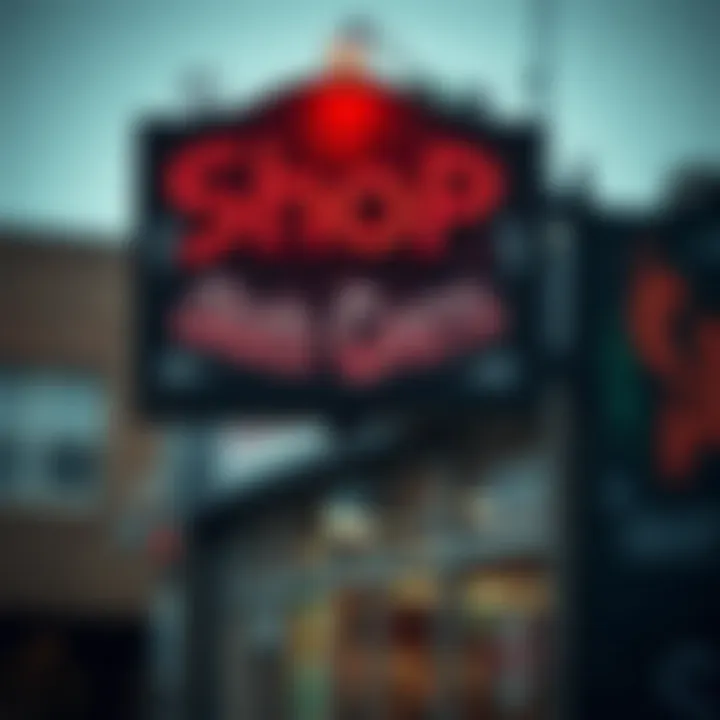
Consider creating a shortlist with a mix of options, both simple and a tad more elaborate. You might be surprised at what resonates after you see them all lined up together. Don't hesitate to say it out loud or share it with friends to see how they react. Sometimes the simplest names carry the most weight.
Choosing your skate shop's name is more than just personal preference; it's about aligning your brand with your community's culture and aspirations.
When diving into the sea of naming possibilities, remember that a name is the first step in building something great. Take your time, trust your instincts, and don’t be afraid to lean into the skating culture. After all, this is about creating a home for skaters, by skaters.
Types of Skate Shop Names
When it comes to establishing a skate shop, the name you choose holds a multitude of significance. It's not just a label; it encapsulates your brand's essence, reflects the culture of skateboarding, and resonates with your target audience. The classification of skate shop names can be broadly divided into four categories: descriptive names, abstract names, playful and creative names, and local influence in naming. Each type brings its own set of advantages and considerations that can influence how potential customers perceive your shop.
Descriptive Names
Descriptive names straightforwardly communicate what your skate shop is about. They can evoke imagery or activity tied directly to skateboarding. Think of names like "Skate Haven" or "The Board Barn" – these clearly identify the business’s focus while capturing a certain vibe.
Notably, descriptive names can be beneficial in search engine optimization (SEO). When customers search for skate shops in their vicinity, a descriptive name can increase the chances of appearing in relevant search results. However, potential pitfalls do exist. While clarity is vital, overly generic names may lack uniqueness—making it more difficult to stand out in a crowded market.
Abstract Names
Then, there are abstract names, which conjure a sense of curiosity and creativity without directly referencing skateboarding. Brands like "Element" or "Almost" utilize this approach. These names may exude a certain intrigue that can appeal to a demographic that values uniqueness and innovation.
Abstract names often provide a broader scope in marketing campaigns and branding opportunities, allowing for creative interpretations of your shop's identity. The challenge here lies in ensuring that such names don't create confusion or disconnect with potential customers. Ensuring that your branding communicates your skateboarding roots is essential, even if the name doesn't explicitly reference them.
Playful and Creative Names
Playful and creative names add an element of light-hearted fun to the branding. These names often use humor, puns, or cultural references that can make them memorable. For example, names like "The Kickflip Cafe" or "Skate & Create" embody this ethos. The beauty of a catchy name is its ability to spark conversations and forge connections.
While special charm lies in clever naming, it’s essential to stay true to the core values of your shop. A name that feels gimmicky or too far removed from the skateboarding culture can turn off serious skaters. Striking a balance between creativity and authenticity must be a priority in this naming strategy.
Local Influence in Naming
Lastly, local influence plays a big role in naming your skate shop. This approach emphasizes a deep connection to your community and territory. By incorporating local landmarks, history, or slang into your shop’s name—like “Westside Skates” or “Ridgeview Board Co.”—you foster a strong sense of belonging among local skaters.
Names that reflect a community's identity can also serve as powerful marketing tools. They can create a sense of ownership and pride among customers who feel represented by your brand. That said, you also need to ensure your name remains versatile enough not to alienate visitors or tourists who may not be familiar with local references.
Incorporating Skate Terminology
When steppin' into the wild world of skate shops, it's vital to recognize how pivotal skateboard slang and terminology can be in crafting an appealing name. The language of skating isn’t just a collection of words; it's a cultural backbone that resonates deeply with skaters. Using this terminology in your shop's name not only sets the tone but establishes a powerful connection with your audience, making it a cornerstone of branding.
Understanding Skate Lingo
Grasping skate lingo is like learning a new dialect; it’s essential for authentic communication within the skate community. Terms like ollie, grind, and kickflip evoke specific images and sentiments among skaters. Incorporating these terms into the shop name can spark immediate recognition and pride among local riders.
For example, a shop called "Ollie Palace" evokes a sense of escapism and fun associated with one of the basic tricks in skateboarding. Similarly, names like "Grind Time" or "Kickflip Corner" give an instant nod to the tricks that define the sport. The underlying message is that your shop not only understands the culture but also lives it.
Using Slang Effectively
Slang is the lifeblood of casual skateboard conversations, and weaving it into your shop's name can make it resonate even more. Yet, it’s essential to avoid tripping over trendy terms that could quickly become outdated. Instead, aim for a balance of modern slang and classic terms that everyone recognizes, ensuring your brand doesn't seem out of touch.
Consider a name like "Sketchy Skate Gear"; here, sketchy isn’t just a reference to a trick gone wrong, but also hints at a laid-back vibe that might appeal to both newbies and seasoned skaters. Be mindful, though—understanding your audience's preferences and limits will keep your name from falling flat. A good rule of thumb: if the slang feels forced or unnatural, it's best to steer clear of it.
Cultural References and Their Impact
Cultural references can elevate your skate shop's name from good to iconic. Whether channeling classic skate videos, legendary skaters, or even local landmarks, these references provide depth and context that only insiders truly appreciate. Names like "Dogtown Rewind" might invoke thoughts of the legendary Dogtown crew from the '70s, which many in the scene still honor today.
Moreover, tapping into cultural moments or iconic films about skateboarding can enhance the significance of your brand's identity. References such as "Thrashin’ Grounds" could conjure nostalgic feelings for a decade-old cult classic, appealing to older riders while sparking curiosity in younger skaters.
In essence, incorporating skate terminology is not just about finding words that fit; it’s about establishing an emotional connection, reflecting your passion for skate culture, and creating an inviting atmosphere where skaters and budding enthusiasts feel at home. This connection is vital in today’s competitive market, so be smart about how you wield your words.
"A name can open doors or slam them shut; choose wisely, for it’s your first handshake with the skate community."
By focusing on the right terminology and references, your shop's name could become not only memorable but also a beacon for the local skating culture. Engaging with skate terminology is not just about language; it’s about embodying the spirit and narrative of what it means to be part of this vibrant subculture.
This intentional incorporation of skateboard vocabulary ensures your naming strategy results in a title that resonates, reflects authenticity, and positions your business as a community cornerstone.
Researching Existing Skate Shop Names
When it comes to carving out a niche in the saturated world of skate shops, the name you choose can either put you ahead of the curve or make you blend in with the crowd. Researching existing skate shop names provides crucial insights into what works and what's a total flop. Understanding the landscape allows you to differentiate yourself strategically while resonating with your target audience.
Identifying Competitors
Before you even think about tossing around ideas for your shop's name, it’s wise to look at what competitors are doing in your area. This doesn’t just mean counting how many skate shops are nearby; it requires a deeper dive into their branding choices, target markets, and unique selling propositions. By analyzing their names, you can see trends that may resonate with potential buyers while also identifying gaps where your shop might fit in.
For instance, if every skate shop in town has a name that includes the word 'deck' or 'grind,' you might consider steering clear of such terminology to avoid getting lumped into an already crowded category. Takeinto account competitor names like “Runaway Skate Shop” versus “Wheels Up,” which each evoke different vibes and connections within the skate community. Knowing this can guide you in crafting a name that holds its own.
Analyzing Successful Brands
Look to the successful skate shops both locally and globally. Names like “Supreme” or “Thrasher” don’t just pop up in casual conversations but also embody a lifestyle and culture. Pay attention to how these brands not only select their names but also the narrative, tone, and impression they convey.
What makes them tick? Is it the choice of word, the sentiment behind it, or perhaps imagery associated with the name? For example, the name “Element” is simple, yet it connotes a foundational aspect of nature—perfect for a sport that's deeply rooted in outdoor culture. What’s more, these successful brands often leverage their names into an entire product line. Analyze their marketing strategies, identify their target demographics, and think about what you could emulate—without directly copying, of course.
Avoiding Common Pitfalls in Naming
Choosing a name isn't as easy as tossing letters together. Many aspiring shop owners stumble into traps that hinder their success. Firstly, steer clear of overly jargon-filled names or references that are too 'inside'— they might confuse newcomers or turn off casual skaters. If a name is too convoluted or hard to remember, it quickly becomes a dead weight.
Another common pitfall is neglecting the geographic market. Let’s say you open a skate shop named “California Rollers” in New York. Sure, it has a catchy ring, but if you’re located nowhere near California, it can easily mislead customers about what your identity and offerings are.
Therefore, keep your ear to the ground. Misunderstanding the local culture can lead to unforeseen issues, so researching names thoroughly ensures that your final choice reflects your brand's core values while remaining relatable. Overall, researching existing names gives you not just insights into the skate world but also a roadmap for success.


Testing Your Name Choices
Selecting the right name for your skate shop goes beyond mere creativity; it necessitates a meticulous evaluation of how that name resonates with your audience. Testing your name choices serves as a pivotal step in ensuring that your selected name encapsulates the essence of your brand while also appealing to potential customers. Naming is a blend of art and strategy, so this phase is crucial for gathering insights that can significantly influence your final decision.
Gathering Feedback from Peers
One of the most effective methods of testing your name choices is to seek feedback from peers within the skateboarding community. Your friends, fellow skaters, or even seasoned shop owners can provide invaluable perspectives. When you present your name options, do not shy away from asking direct questions. Here are some guiding points you might consider:
- Clarity: Does the name clearly convey what the shop is about?
- Appeal: Is it catchy enough to stick in their minds?
- Associations: What thoughts or feelings does the name evoke?
These conversations can reveal patterns you might not have recognized. Your peers might highlight associations tied to certain terms, which could steer you toward finishing touches or outright changes.
The Role of Surveys and Polls
Once you’ve gathered informal feedback, it’s time to step it up a notch by leveraging more structured data collection methods like surveys and polls. Online platforms such as SurveyMonkey or social media channels can help you reach a wider audience. Consider asking questions like:
- Which name do you think best represents a skate shop?
- On a scale from 1 to 10, how likely are you to visit a shop with this name?
- What aspects do you like or dislike about these choices?
Make sure your survey is concise to encourage responses. Being able to quantify sentiments gives you a clearer picture of your name's potential success and its reception.
Finalizing Your Choice
After gathering feedback and analyzing survey results, the next step involves narrowing down your options to a final choice. This isn't a mere matter of picking the name with the highest rating; it’s about finding the name that feels right. Consider revisiting your brand's mission and vision during this stage. Ask yourself:
- Does this name align with my shop's identity and values?
- Does it resonate with the culture of skateboarding as I understand it?
- Will this name grow with my brand as it evolves?
Ultimately, your final decision should reflect both subjective sentiment and objective data. It’s a balance of emotion and analytics that leads to a name that feels right. Remember that a good name will not merely be a label; it will be a part of the story you want your brand to tell.
Legal Considerations in Naming
When it comes to naming a skate shop, understanding the legal landscape is just as vital as choosing a catchy name. A solid grasp of the legalities surrounding naming can save you a ton of headaches down the line. Not only does it help in protecting your brand, but it ensures that you are not stepping on someone else's toes. Navigating potential legal issues can feel like walking a tightrope, but having a strategy makes it a lot easier.
Trademark Registration
One of the first hurdles you might face is trademark registration. A trademark is essentially a form of protection that prevents others from using your brand name or logo without your permission. It’s like having a "no trespassing" sign on your intellectual property. Not all names deserve this protection, though. Your skate shop's name has to be distinctive, meaning it can’t simply describe the services offered.
- Conduct a Trademark Search: Start by researching existing trademarks to ensure your name isn’t already in use. Websites like the United States Patent and Trademark Office (USPTO) have searchable databases.
- File for Registration: If you believe your name is unique, file for a trademark through the appropriate government agency. This process can vary by country, so check local regulations.
- Maintain Your Trademark: Once you have your trademark, keep an eye on renewal deadlines and actively monitor for any potential infringements.
Domain Name Availability
In this digital age, having an online presence is a must. Your skate shop's name should ideally coincide with your domain name, making it easier for customers to find you online. Domain names are a bit like real estate; they can get snatched up quickly.
- Check Name Availability: Utilize web hosting services such as GoDaddy or Namecheap to verify if the domain of your chosen name is available. Remember, the shorter and snappier, the better, but don’t compromise on the relevance.
- Consider Variations: If your first choice is taken, think about variations or creative modifications that still resonate with your brand identity. For example, adding “shop,” “skate,” or “store” at the end can help.
- Social Media Handles: Ensure that your shop's name is also available on major social media platforms. Consistency across all platforms makes your brand more recognizable.
Trademark Infringement Risks
Even a well-thought-out name can lead you into murky waters if it inadvertently conflicts with an existing trademark. The last thing you want is to invest time and money into marketing only to be slapped with a legal notice.
- Identify Potential Risks: Perform a thorough analysis of similar brands, especially if they operate within the same geographic area. Be aware that trademark laws can differ between countries.
- Consult a Lawyer: If you find yourself in potential conflict, speaking with a legal professional experienced in trademark law is a smart move. It will help you navigate the complexities of intellectual property and avoid costly litigation.
- Stay Alert: Always remain vigilant after your launch. New competitors may arise, and you should monitor your brand’s name for any unauthorized use.
"A name isn’t just a label; it’s the first impression you create in the minds of your customers. Take the legal steps to protect it from the get-go."
By being proactive and informed about these legal considerations, you’ll not only safeguard your skate shop’s identity but also set the stage for long-term success in a competitive market.
Branding Strategies Beyond the Name
Choosing a name for a skate shop is just the tip of the iceberg. While a catchy title can draw the curious and enthusiastic eyes of skateboarders, it’s vital to recognize that effective branding extends far beyond that initial impression. The very essence of a brand intertwines not only the name but also the visual identity, marketing strategies, and the relationships built over time. A successful skate shop needs a multi-faceted branding approach that resonates with its audience, creates loyalty, and thrives in a competitive landscape. Understanding these strategies is crucial for establishing a strong foothold in the community.
Creating a Visual Identity
A skate shop’s visual identity is like the canvas of an artist; it sets the tone and invites customers to immerse themselves in the culture. From the color scheme to the logo, every visual element should mirror the ethos of skateboarding. The visual identity should be consistent across signage, merchandise, and online platforms to create a cohesive experience.
For instance, think of the graphics on skateboard decks; they reflect creativity, style, and personal expression all in one design. Similarly, your logo should evoke a sense of connection with the skate community. Opt for vibrant colors and bold fonts that speak directly to your target audience.
A great example is the essential skateboard brand Element, whose logo and visuals encapsulate an outdoor, nature-inspired aesthetic that appeals to skateboarders focused on both lifestyle and sport.
Effective Marketing Campaigns
Marketing campaigns act as the engine that drives awareness and engagement for your skate shop. In a digital world, having a well-thought-out marketing plan is crucial to stand out among the crowd. Building campaigns that incorporate both online and offline strategies can maximize reach and fortify customer connections.
- Social Media: Platforms like Instagram and TikTok offer a paradise for showcasing techniques, tricks, and community events. Involving local skaters in your content can increase engagement, as authenticity often resonates best.
- Event Sponsorships: Hosting local competitions or supporting community gatherings can position your shop as a pillar in the skateboarding culture.
- Collaborations: Partnering with local artists or skateboards influencers could generate buzz and broaden your reach, fostering a sense of community and shared vision.
By employing these varied techniques, you can ensure that your brand is not just seen but also felt within the community, reinforcing the values of creativity and support.
Building a Loyal Customer Base
Finally, loyalty is the glue that holds relationships together in the skateboarding community. Establishing a repetitive clientele requires going beyond just selling products; it's about fostering a sense of belonging. Offer personalized customer experiences to make every skateboarder feel valued.
Here are some effective strategies to cultivate loyalty:
- Loyalty Programs: Implement programs that reward repeat business. This could be as simple as a punch card for a free item after a certain number of purchases.
- Customer Engagement: Regularly engage your audience through social events, such as lessons or community clean-ups. It nurtures a sense of belonging and encourages connection.
- Feedback Mechanism: Anticipate changes in customer preferences and needs by having channels for feedback. Listening to your clientele can help tailor your offerings, further enhancing loyalty.
In closing, branding your skate shop takes thoughtful extension beyond just its name. Each element contributes to creating a space where skateboarders feel at home, valued, and connected to a vibrant culture. By establishing a strong visual identity, executing impactful marketing campaigns, and nurturing loyal relationships, your shop is well on its way to thriving in the ever-changing landscape of skate culture.
Case Studies of Successful Skate Shop Names
The world of skateboarding thrives on creativity, individuality, and a deep-seated community connection. When it comes to skate shops, a compelling name can set the tone for the entire brand. This section delves into real-world examples, illustrating how certain skate shops have successfully crafted their identities through effective naming strategies. Understanding these case studies not only provides inspiration but also highlights the factors leading to their success or failure.


Analysis of Established Brands
A look at established skate brands can offer valuable insights into effective naming conventions. For instance, consider Tactics, which has become synonymous with skate culture since its inception in 2000. The name is not merely a nod to skate tricks; it reflects a cunning approach to maneuvering through life and challenges, resonating with the skate community. The clever choice of a single-word name paired with a relevant graphic identity exemplifies their branding strategy.
Additionally, CCS, with its roots tracing back to catalog sales in the 1980s, stands as another case. The acronym has become recognizable in skate circles, suggesting a sense of legacy while maintaining simplicity. Their focus on skate-related merchandise in a myriad of styles has kept the name relevant and respected.
Other notable examples include Skate Warehouse and Active Ride Shop. The former leans heavily on descriptive clarity, while the latter couples a more dynamic name with a theme of energy and movement, both of which align with skate culture.
Insights from New Entrants
New entrants to the skate shop market have also made interesting naming choices, offering fresh perspectives worth exploring. For example, The Ruckus is a relatively new player that's made waves since opening. The name conveys energy and chaos often found in skating, appealing to a younger audience eager for excitement. This shop uses vibrant colors and unique signage to make the name pop in a bustling skate park environment, giving them a competitive edge in visibility.
Another interesting entry is Wheels & Waves. This name indicates not just a skate shop but hints at a broader lifestyle brand that embraces all things board sports related. Integrating an element of surfing into their identity gives them a unique niche, which in turn helps in building a loyal customer base that feels connected to both skating and surfing.
Lessons Learned from Failures
Not every name hits the mark, and examining failures can illuminate common pitfalls to avoid. The now-defunct Skater's Paradise serves as a cautionary tale. While the name initially conjures a friendly, welcoming image, it lacked distinctiveness. In a competitive market, where originality is key, a generic name like this can get lost in the shuffle.
Similarly, Grindhouse faced backlash due to its ironic ties to another infamous brand. Despite being catchy, it inadvertently reflected negatively on the business, leading to customer confusion and ultimately forcing a rebrand. Companies should always consider the connotations of their names and how they might be perceived by both local and wider communities.
Through these case studies, it becomes evident that a successful skate shop name needs to resonate with the target audience, carry cultural weight, and reflect the values of the brand itself. Each of these examples illustrates a journey in branding and how the skate shop landscape continues to morph with creative naming practices.
The Role of Social Media in Brand Naming
Social media has transformed how businesses create and maintain connections with their audience. In the realm of skate shops, leveraging these platforms goes beyond just marketing products—it’s about establishing a name that resonates with the culture and community. A well-chosen name can serve as a conversation starter, a point of pride, and an identity marker within the skateboarding world.
Leveraging Online Platforms
To effectively harness the power of social media, skateboard shop owners must choose platforms that align with their target audience's habits. Instagram stands out as a visual-centric space perfect for showcasing skateboard art, products, and community events. However, platforms like Facebook and Twitter are also valuable for announcements, promotional deals, and enhancing customer interaction. The key is to create a consistent presence across these platforms, engaging with relevant content around the shop's name.
When brainstorming names, owners can utilize the online environment to gauge reactions through quick polls or feedback sessions. A name that might seem clever in isolation can take on a different hue when viewed through the lens of community interaction. Therefore, actively involving social media not only adds layers to the naming process but also tests the waters of public perception early on.
Engaging with the Community
Skateboarding is not just a sport; it’s a lifestyle deeply rooted in community connection. A great name should encapsulate that spirit and resonate with skateboarding culture. Engaging with the skate community on social media can help identify shared values and themes. This could involve reposting user-generated content featuring skaters at local parks or organizing community events, all tied back to the shop's name.
Community engagement can also manifest in collaborations with other local artists or initiatives, reinforcing the shop's relevance and commitment to its roots. By fostering a dialogue with customers and local skaters on social media, shop owners can gather insights that inform the naming process—making it a true reflection of the community’s spirit.
Building an Online Presence
A strong online presence is non-negotiable in today’s digital reality. The name of a skate shop should be easily searchable and memorable, aiding customers in finding it on social media and search engines alike. When establishing an online presence, consider the following:
- Consistency: Use the shop's name uniformly across all social media profiles, websites, and promotional materials.
- SEO Optimization: Incorporate relevant keywords into profiles and posts to enhance visibility in search results. Terms related to skateboarding can be beneficial when crafting content that resonates with the audience.
- Content Strategy: Share diverse content, including tutorials, local skate news, and customer spotlights. This strategy not only builds but also sustains an active online audience, ensuring the shop's name becomes part of the skateboarding lexicon.
"The name of your shop is just the beginning; how you engage and involve the community around it can shape its legacy."
With social media integrated into the brand naming process, skate shop owners won’t just pick a name—they will breathe life into it by anchoring it within an engaged community, creating a lasting identity that celebrates the sport and culture of skateboarding.
Evolving Your Shop Name Over Time
In the fast-paced world of skateboarding, a shop's name can serve as both an anchor and a sail. While it represents the identity of the business, it must also flex and adapt, just like a seasoned skater navigating a challenging ramp. The significance of evolving your skate shop's name cannot be overstated; it’s crucial for ensuring continued relevance in an ever-changing market. Here we shall explore specific elements, benefits, and considerations when it comes to adapting your shop name over time.
Adapting to Changing Markets
Understanding that the skateboarding market is not static is vital for any shop owner. Trends fluctuate – whether they be stylistic or technological. For instance, consider how electric skateboards have gained popularity. A skate shop that embraces this shift might choose to incorporate terms like "electric" or "high-tech" into their name to stay in tune with their customer base. Their focus might have expanded from traditional skateboards to include electric ones, bringing in a whole new demographic.
Being responsive to these market changes allows you to attract a broader audience. Regularly considering the current skate culture can aid in determining if it's time to tweak or completely overhaul your name.
"A name is not just a label. It’s a statement about who you are and where you're headed."
Rebranding Opportunities
Continuously adapting can also present distinct rebranding opportunities. Every few years, refreshing your brand can reinvigorate interest and spark excitement among your customers. Take for example the case of a skate shop that originally focused exclusively on beginners. As expertise and a loyal customer base grew, a name change could reflect this evolution. An old name like "Beginner's Haven" could transform to something like "Next Level Skate" to indicate a serious commitment to advancing skills and catering to a more experienced crowd.
This sort of rebranding opens the door to new marketing avenues, allowing for the adjustment of messaging and promotions that better fit your evolved identity. Conducting market research and engaging customers can help in pinpointing what your new name should communicate, ensuring that you’re still meeting the needs of your core audience while drawing in curious newcomers.
Maintaining Brand Integrity
As you consider changes to your shop's name, maintaining brand integrity is essential. Your name is not merely a catchy label; it reflects your values and the experience you promise to deliver to your customers. When rebranding, keep in mind the elements that make your shop special. If your shop has built a reputation for quality products or exceptional service, ensure that these traits remain at the forefront in your new name.
A more active approach to brand integrity can be integrating feedback from your loyal customers during a rebranding process. You could start by running an informal poll asking patrons what they appreciate most about your shop. The responses could inspire aspects of your new name, creating a sense of ownership and loyalty among your regulars.
The End and Final Thoughts
In the realm of skate shops, selecting the right name transcends mere branding; it shapes the core of your identity within the skateboarding community. Names are not just labels; they reflect the spirit of skate culture, acting as a bridge between the shop and its customers. From the first flicker of inspiration to the final choice, the naming process should resonate with both the essence of skateboarding and the unique story you wish to tell.
Starting with a strong foundation—understanding the importance and impact of a clever name—sets the stage. You must consider how a name not only conveys who you are but also fosters a connection with the target audience. As we explored throughout this guide, a well-chosen name can spark recognition, encourage community involvement, and ultimately drive sales in a competitive market.
Here are some essential elements to keep in mind:
- Brand Identity: Creating a name that embodies your shop's values and mission is crucial. It shapes perceptions and initiates conversations among skateboarders and their families.
- Cultural Resonance: Drawing on the rich tapestry of skate lingo and cultural references can invoke a sense of belonging in the skating community. A creative use of terminology will speak to your niche audience.
- Practical Considerations: Ensure that your chosen name is easy to remember and pronounce while being legally sound. Trademark registration and domain availability are practical steps that shouldn't be overlooked.
Taking these considerations into account allows aspiring shop owners to navigate the intricate landscape of naming with confidence. It sets the groundwork for developing a functional yet creative identity that is both relatable and memorable.
Summary of Key Points
- The Name Matters: A name is crucial—it holds the power to encapsulate the soul of your skate shop.
- Connect with Your Audience: Remaining attuned to your target market's preferences can guide you toward a name that resonates.
- Embrace Skate Culture: Utilize skate terminology and community references in a meaningful way.
- Legal and Practical Aspects: Protect your name legally to ensure it serves you well in the long run.
- Test and Refine: Gather feedback from the community to ensure your name hits the mark before finalizing.
Next Steps for Aspiring Shop Owners
If you’re standing on the precipice of launching your very own skate shop, there are actionable steps you can take now:
- Conduct Thorough Research: Dive deeper into existing skate shop names and analyze what makes them successful or not. Learn from those who came before you.
- Engage the Community: Don’t shy away from asking your friends, local skaters, or social media followers for input on your potential names—it can offer priceless insights.
- Create a Shortlist: Narrow down your options to a handful of names that resonate most. This will help you focus your efforts moving forward.
- Test the Names: Run casual polls or surveys among your target audience to see which names evoke the best response.
- Be Patient: Sometimes the best ideas come when you least expect them. Give yourself the luxury of time to reflect and iterate.
By embracing the intricate dance between creativity and strategy, you stand a greater chance of developing a name that not only represents your shop but also establishes a lasting legacy in the ever-evolving skateboarding scene.